Control valves are critical components in many industrial processes, used to regulate fluid flow, pressure, temperature, or level by varying the size of the flow passage. Among the different types of control valves, 2-way and 3-way control valves are the most common. Understanding their differences is essential for selecting the right valve for your application. In this article, we'll explore the key differences between 2-way and 3-way control valves, their working principles, applications, advantages, and limitations.
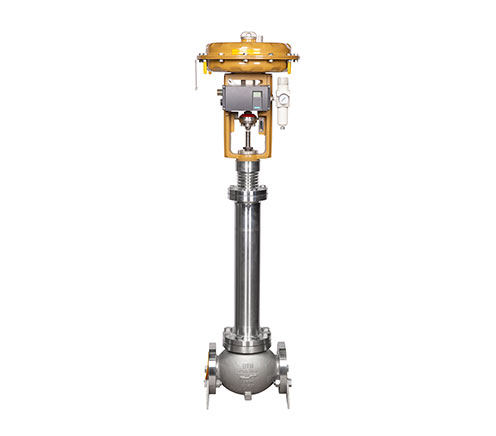
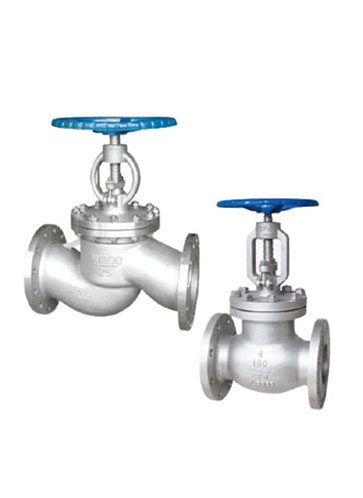
A 2-way control valve has two ports: an inlet and an outlet. Its primary function is to either allow or restrict flow through a single flow path.
The valve opens or closes to control the flow rate between the inlet and outlet.
When the valve is fully open, fluid flows freely from the inlet to the outlet.
When the valve is closed, the flow stops completely.
Globe valves
Ball valves
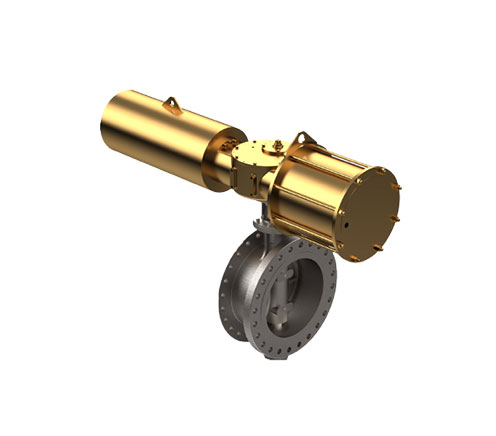
Butterfly valves (in some configurations)
On/off control of fluid flow in pipelines
Simple throttling or regulation tasks
Isolation of process sections for maintenance
Simple design, easy to install and maintain
Cost-effective
Suitable for straightforward flow control
Limited to a single flow path
Cannot mix or divert flows
A 3-way control valve has three ports and can be configured to perform mixing or diverting functions. This type of valve can control fluid flow between three different pathways, allowing for more complex flow control strategies.
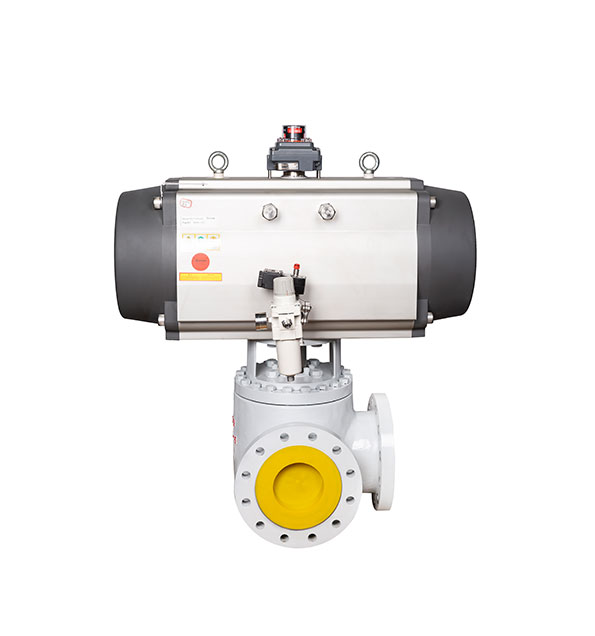
The valve’s position directs the fluid between two outlets (diverting) or mixes two inlets into one outlet (mixing).
The valve can blend two fluid streams or divert one stream into two different paths.
Mixing valves (combine two streams into one)
Diverting valves (split one stream into two paths)
Temperature control loops (mixing hot and cold water)
Process fluid diversion
Bypass systems in heating and cooling
HVAC systems, chemical reactors, and blending processes
Flexible control of fluid direction and mixing
Reduces the need for multiple valves and piping
Can improve process efficiency
More complex design and installation
Higher cost compared to 2-way valves
Potential for pressure drops due to flow path changes
| Feature | 2-Way Control Valve | 3-Way Control Valve |
| Number of Ports | Two (inlet and outlet) | Three (one inlet and two outlets, or vice versa) |
| Function | Controls flow rate in a single path | Mixes or diverts fluid between two paths |
| Flow Control Type | On/off or throttling | Mixing or diverting |
| Typical Applications | Simple flow regulation, isolation | Temperature control, bypass, blending |
| Installation Complexity | Simple | More complex |
| Cost | Lower | Higher |
| Pressure Drop | Generally lower | May be higher due to flow path complexity |
When you need to control flow rate or completely stop flow in a single pipeline.
Simple systems where fluid only flows along one path.
Applications requiring on/off control or basic throttling.
Examples: water supply valves, steam lines, chemical feed systems.
When your process requires mixing two fluids before sending them downstream.
When you want to divert flow from one pipeline to two different paths.
Systems involving temperature control, such as blending hot and cold fluids.
HVAC systems, chemical processing plants, or wherever fluid routing flexibility is needed.
Actuation: Both valve types can be manual or automated (pneumatic, electric, hydraulic actuators).
Valve Sizing: Proper sizing is critical to avoid excessive pressure drops or inefficient control.
Material Compatibility: Choose valve materials based on the fluid and operating conditions.
Leakage Class: Depending on application, select valves with appropriate sealing to minimize leakage.
The key difference between a 2-way and 3-way control valve lies in their number of ports and control capabilities:
2-way valves regulate flow along a single path, offering simplicity and cost-effectiveness.
3-way valves provide more complex flow control by allowing mixing or diversion between multiple pathways.
Selecting the right valve depends on your process requirements from trusted 2 or 3 way control valve manufacturers. For straightforward on/off or throttling control, a 2-way valve is ideal. For processes needing flow mixing or diversion, the 3-way valve is the better choice.