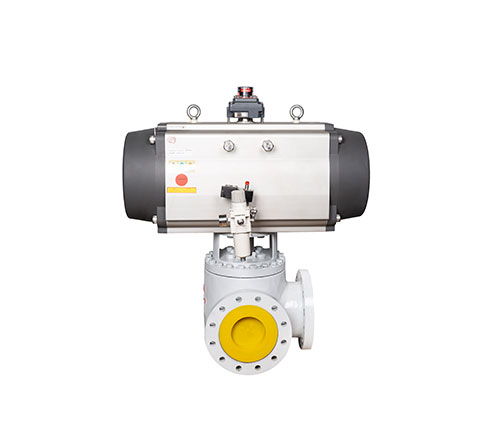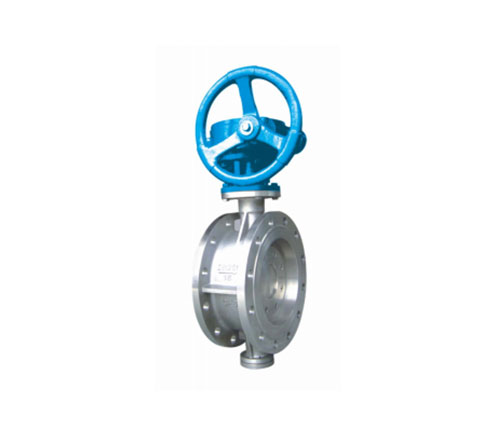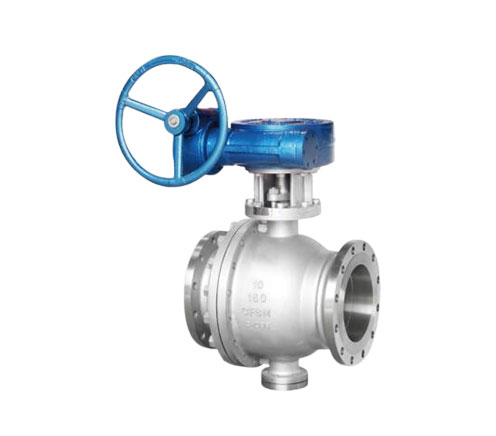
The control valve has the characteristics of simple structure and reliable action, but because it is in direct contact with the process medium, its performance directly affects the system quality and environmental pollution, so the control valve must be regularly maintained and repaired, especially for harsh and important operating conditions. On occasion, more attention should be paid to maintenance work. The key inspection sites from our china valve factory are as follows.
For control valves used in high pressure difference and corrosive media, the valve body wall and the diaphragm of the diaphragm valve are often impacted and corroded by the medium, and the pressure and corrosion resistance must be checked.
When the control valve is working, due to the infiltration of the medium, the inner surface of the thread used for fixing the valve seat is easily corroded and the valve seat is loosened, so attention should be paid during inspection. For valves that work under high pressure difference, it is also necessary to check whether the sealing surface of the valve seat is damaged.
The valve core is the movable part during the adjustment work, which is most seriously eroded and corroded by the medium. During maintenance, carefully check whether the various parts of the anti hammer water control valve core are corroded and worn, especially in the case of high pressure difference, the wear of the valve core is more serious. (Due to cavitation), attention should be paid. When the valve core is seriously damaged, it should be replaced. In addition, attention should be paid to whether the valve stem also has a similar phenomenon, or the connection with the valve core is loose.
"O" rings and other gaskets. Check whether the diaphragm and "O"-shaped gasket in the control valve are aging and cracked.
Pay attention to whether the PTFE packing and sealing grease are aging, and whether the mating surface is damaged, and should be replaced when necessary. The regulating valve, also known as the control valve, is the main type of actuator. It changes the fluid flow by means of power operation by receiving the control signal output by the regulating control unit. The regulating valve generally consists of an actuator and a valve. According to the power used by the actuator, the regulating valve can be divided into three types: pneumatic, electric and hydraulic, namely the pneumatic regulating valve using compressed air as the power source, the electric regulating valve using electricity as the power source, and the liquid medium (such as oil, etc.) pressure-driven hydraulic control valves, in addition, according to their functions and characteristics, there are solenoid valves, electronic, intelligent, fieldbus control valves in our 3 way control valve factory.
Control valves are divided into four series: single-seat series control valve, double-seat series control valve, sleeve series control valve and self-operated control valve. Variations of the four types of valves can result in many different applicable configurations, each with specific applications, features, and benefits.