When it comes to regulating the flow of liquids or gases in pipelines, valves play a crucial role. One commonly used type is the butterfly valve, and within this family lies a more advanced version — the double eccentric butterfly valve. But what exactly is it? Why is it called "double eccentric"? And where is it used? Let’s break it down piece by piece.
Before diving into the "double eccentric" part, let’s quickly refresh what a butterfly valve is. A butterfly valve is a quarter-turn valve that uses a rotating disc to open or close the flow path. Picture a circular plate that spins in the middle of a pipe — when the plate is turned parallel to the flow, the valve is open; when it's turned perpendicular, the valve is closed.
Simple design
Quick operation (90° turn to open/close)
Lightweight and compact
Cost-effective
The word eccentric means “off-center.” In valve terminology, an eccentric design means that the rotating axis of the disc is offset from the center of the valve body or seat. This offset reduces friction and wear during operation.
In a concentric butterfly valve, the disc stays in contact with the seat throughout the operation. This constant friction can lead to:
Higher torque requirements
Faster seat wear
Less efficient sealing over time
To solve this, engineers developed eccentric designs that allow the disc to move away from the seat as it opens, reducing rubbing and improving durability.
A double eccentric butterfly valve — also known as a high-performance butterfly valve — is a type of valve where the disc is offset in two ways:
First Eccentricity: The shaft is located behind the centerline of the sealing surface of the disc.
Second Eccentricity: The shaft is also offset from the centerline of the pipe or valve bore.
These two offsets create a cam-like motion as the valve operates.
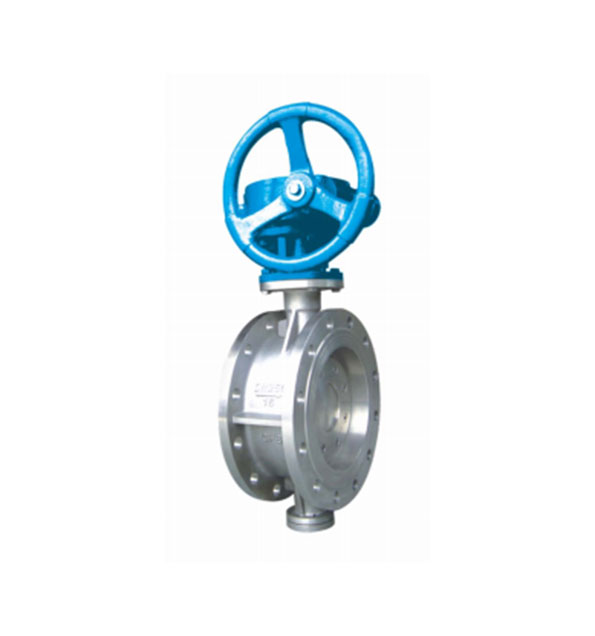
As the valve starts to open, the disc quickly moves away from the seat.
This minimizes rubbing between the disc and seat, reducing wear and increasing lifespan.
When closing, the disc only contacts the seat at the very end, providing a tight seal.
These valves offer several benefits compared to traditional concentric butterfly valves:
Lower Torque Requirement
Less friction means it takes less force to operate the valve.
Improved Seal Life
The reduced contact with the seat leads to less wear and tear.
Better Sealing Performance
They can handle higher pressure and provide a more reliable seal.
Larger Size Capability
Suitable for larger pipeline applications (DN > 300 mm or 12 inches).
Versatility
Can be used for both throttling and full shut-off applications.
You’ll find double eccentric butterfly valves used in various industries, especially where medium to high-pressure service is required:
Water treatment plants
HVAC systems
Power generation (cooling water systems)
Oil and gas pipelines
Chemical processing
Fire protection systems
They are particularly valuable in applications where space is tight and frequent operation is required.
Depending on the service conditions (temperature, pressure, and fluid type), double eccentric butterfly valves can be made from various materials:
Carbon steel
Stainless steel
Ductile iron
Stainless steel
Aluminum bronze
Nickel-plated options for corrosion resistance
PTFE (Teflon)
EPDM or NBR rubber
Metal seats for high-temperature or abrasive service
| Feature | Concentric | Double Eccentric | Triple Eccentric |
| Eccentricities | None | 2 | 3 |
| Friction during operation | High | Low | Very low |
| Seal type | Soft seal | Soft or metal seal | Metal seal |
| Pressure range | Low | Medium | High |
| Typical use | General purpose | Industrial use | Critical applications |
Double eccentric butterfly valves are easier to maintain than gate or globe valves due to their fewer moving parts and lightweight design.
Installation Tips:
Ensure alignment to avoid stress on the shaft
Use appropriate gaskets and flanges
Regularly inspect the seat and disc for signs of wear
If you’re dealing with higher pressures, need better sealing performance, or want a valve with a longer service life and reduced maintenance needs, a double eccentric butterfly valve is a smart choice.
It’s a perfect balance between performance and cost, offering a step up from the basic concentric design without the complexity (or price) of a triple eccentric valve.